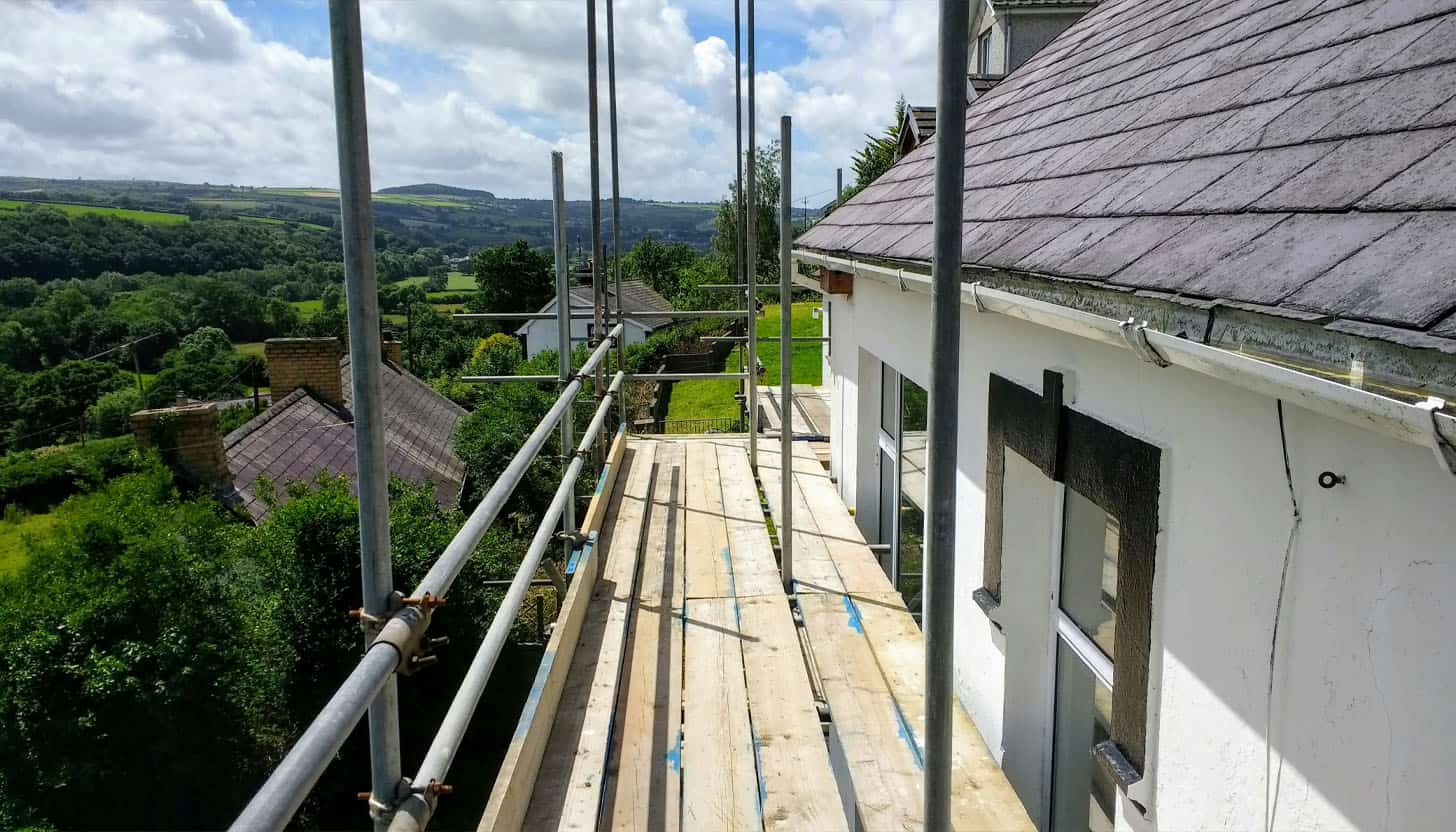
Als iemand mij vraagt of steigerbouwer worden een goede keuze is, geef ik een eerlijk antwoord: het is zwaar werk, maar met veel toekomst voor mensen die praktisch willen werken en verantwoordelijkheid durven nemen.
Je ziet direct resultaat van je werk, maar je moet ook snappen dat veiligheid en teamdiscipline in dit vak net zo belangrijk zijn als kracht.
Ik werk al jaren in de steigerbouw en heb veel starters en zij-instromers zien starten. De mensen die doorgroeien zijn meestal niet de luidste, maar de meest betrouwbare: op tijd, leergierig en veilig.
In deze gids leg ik uit wat je kunt verwachten van werken als steigerbouwer in Nederland en hoe je een sterke basis legt voor je carrière steigerbouwer.
Wat doet een steigerbouwer in de praktijk?
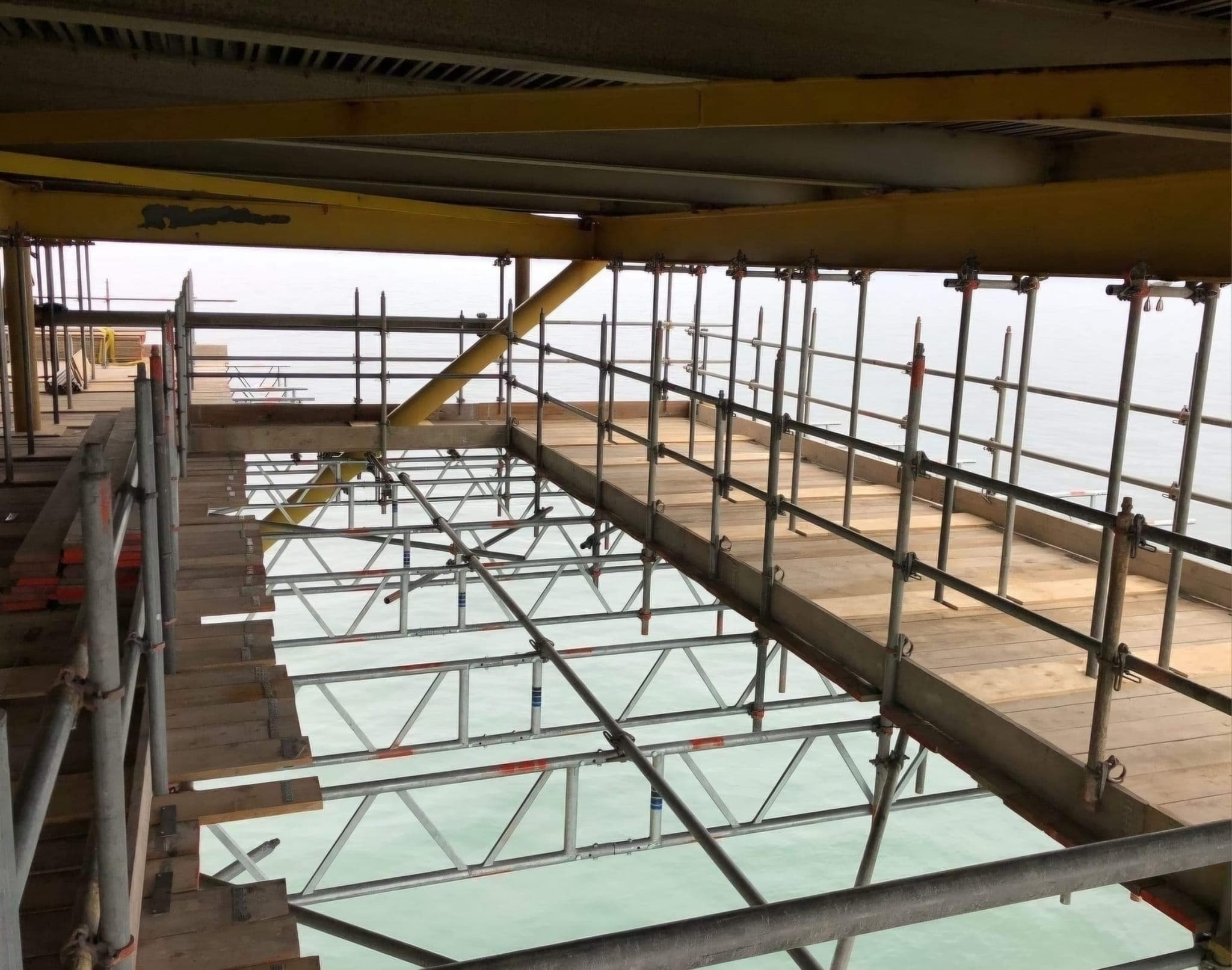
Een steigerbouwer bouwt, wijzigt en demonteert steigerconstructies zodat andere vakmensen veilig op hoogte kunnen werken.
Dagelijks ben je bezig met materiaal lossen, onderdelen sorteren, opbouwen volgens plan, controle op stabiliteit en later weer netjes afbouwen.
Een normale werkdag begint vroeg met een taakverdeling en risicobespreking. Daarna werk je in ploegverband op hoogte, vaak buiten en in wisselend weer. Regen, kou en wind horen erbij in steigerbouwer Nederland.
Je moet dus niet alleen fysiek sterk zijn, maar ook geconcentreerd blijven onder druk.
Belangrijk: je werkt nooit alleen voor jezelf. Als jouw werk niet veilig is, lopen anderen ook risico. Daarom hoort veiligheidsverantwoordelijkheid standaard bij het vak.
Heb je ervaring nodig om te starten?
Nee, je kunt vaak zonder ervaring starten. Veel bedrijven nemen beginners aan als hulpsteigerbouwer en leren je het vak op de werkvloer.
Je begint met basiswerk: materiaal aangeven, onderdelen herkennen, veilig verplaatsen en werktempo opbouwen.
De snelste groei zie ik bij mensen die gemotiveerd en betrouwbaar zijn. Wie komt opdagen, vragen stelt en veiligheidsregels serieus neemt, leert snel.
Dat geldt ook voor zij-instromers uit logistiek, productie of montage: met de juiste houding kun je prima instappen in werken als steigerbouwer.
Waarom VCA essentieel is
In Nederland is VCA in de praktijk op veel projecten verplicht. Zonder VCA kom je bij veel opdrachtgevers niet eens op het terrein.
Dat is logisch: steigerbouw gebeurt in risicovolle omgevingen waar iedereen aantoonbaar veilig moet kunnen werken.
VCA Basis is voor uitvoerende medewerkers. VCA VOL is bedoeld voor leidinggevenden en mensen met extra verantwoordelijkheid, zoals voormannen. Start je net, dan is VCA Basis meestal de juiste eerste stap.
Je haalt VCA via een erkende opleider met examen. Mijn advies: regel dit vroeg. Met VCA ben je direct beter inzetbaar en vergroot je je kans op een eerste baan als je serieus steigerbouwer worden als doel hebt.
Fysieke en mentale eisen van het vak
Steigerbouw vraagt een goede basisconditie: veel lopen, tillen, traplopen en werken in actieve houdingen. Lange dagen komen voor, vooral op drukke projecten.
Je hoeft geen topsporter te zijn, maar wel belastbaar en verstandig met je lichaam omgaan.
Mentaal moet je ook sterk zijn. Je werkt op hoogte en moet rustig blijven in omstandigheden met veel prikkels. Veiligheidsdenken is cruciaal: risico’s herkennen, elkaar aanspreken en stoppen als iets niet klopt.
Mensen die dit goed doen, passen het best bij dit werk.
Hoe vind je je eerste baan in de steigerbouw?
De snelste route is direct solliciteren bij steigerbouwbedrijven in je regio. Daarnaast kunnen uitzendbureaus met bouwfocus een goede ingang zijn voor starters.
Op jobplatforms staan vaak functies als hulpsteigerbouwer of leerling.
De vraag naar goede steigerbouwers in Nederland blijft hoog, zeker in industrie en onderhoud. Werkgevers zoeken vooral betrouwbaarheid.
Zet in je sollicitatie duidelijk dat je VCA hebt of direct gaat halen, fysiek werk gewend bent en vroeg beschikbaar bent. Dat werkt in de praktijk beter dan een lange algemene motivatie.
Wat kun je realistisch verwachten?
Het steigerbouwer salaris hangt af van ervaring, cao, regio, projecttype en toeslagen. Beginners starten lager, maar bij goede inzet kun je relatief snel doorgroeien.
Ervaren steigerbouwers met zelfstandige verantwoordelijkheid zitten duidelijk hoger.
Voor zzp’ers kan de omzet hoger zijn, maar je draagt ook meer risico en kosten: verzekeringen, vervoer, administratie en periodes zonder werk.
Daarom is zzp vaak verstandiger nadat je eerst stevige praktijkervaring hebt opgebouwd. In loondienst groeit je inkomen meestal het stabielst via ervaring, veiligheid en betrouwbaarheid.
Doorgroeimogelijkheden op lange termijn
Een loopbaan in steigerbouw kan zich sterk ontwikkelen. Veel mensen starten als helper, groeien door naar zelfstandig steigerbouwer en nemen daarna meer verantwoordelijkheid in de ploeg.
Met ervaring kun je doorgroeien naar voorman, meewerkend leidinggevende of uitvoerende coördinatie. Ook zelfstandig ondernemerschap is mogelijk als je naast vakkennis ook planning, klantcontact en administratie beheerst.
Een carrière steigerbouwer biedt dus op lange termijn meer paden dan veel mensen denken.
Benodigde uitrusting en voorbereiding
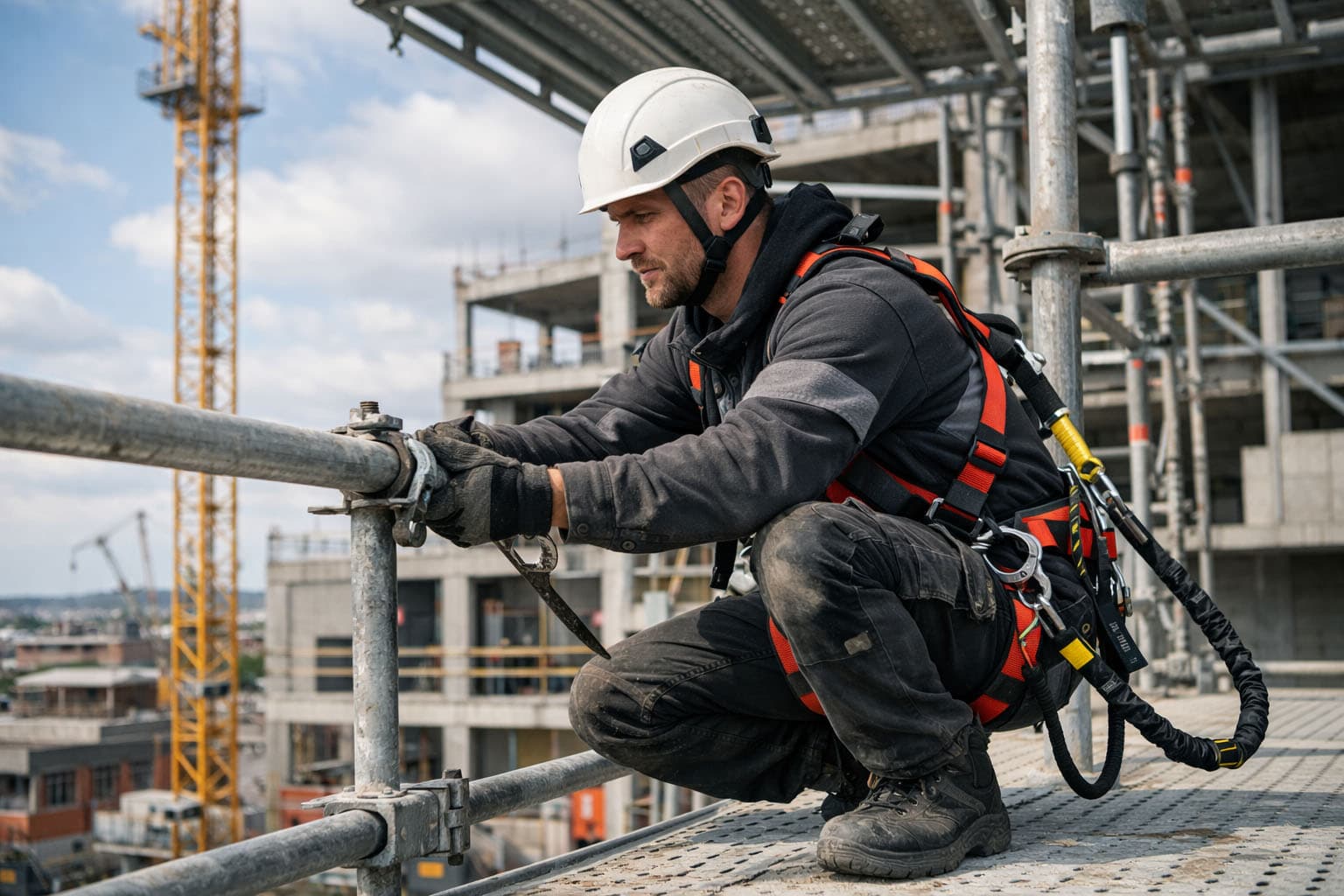
Goede uitrusting is basisveiligheid. Denk aan S3-veiligheidsschoenen, helm, degelijke handschoenen en werkkleding die tegen intensief buitenwerk kan.
Slechte uitrusting merk je direct in grip, comfort en concentratie.
Mijn praktijkadvies aan starters: bezuinig niet op PBM. Goede materialen zorgen niet alleen voor bescherming, maar ook voor minder vermoeidheid en een constanter werktempo over de dag.
Waar moet je op letten
Wil je snel en verstandig starten? Focus op basisveiligheid, inzetbaarheid en de juiste werkgever. Gebruik deze checklist als praktische controle voordat je begint.
- VCA certificaat
- goede fysieke conditie
- geen hoogtevrees
- motivatie om te leren
- werken met veilig materiaal
- werken voor een betrouwbaar bedrijf
Samenvatting van de belangrijkste stappen
Start met VCA, solliciteer op instapfuncties, leer het vak op de werkvloer en bouw een reputatie op als betrouwbare collega. Dat is de kortste en meest realistische route om duurzaam door te groeien.
Wie consequent veilig werkt, verantwoordelijkheid neemt en vakkennis opbouwt, kan in dit vak snel stappen maken in functie en steigerbouwer salaris.
Conclusie en persoonlijke aanbeveling
Mijn persoonlijke aanbeveling na jaren praktijk: kies dit vak als je discipline, veiligheid en teamwork serieus neemt.
Alleen hard werken is niet genoeg; je moet ook betrouwbaar zijn op momenten dat het druk, zwaar en onvoorspelbaar is.
Past dat bij je, dan is steigerbouw een sterk beroep met echte toekomst. Regel je VCA vroeg, start bij een degelijk bedrijf en investeer vanaf dag één in vakmentaliteit.
Zo bouw je niet alleen veilige steigers, maar ook een stabiele loopbaan in de steigerbouw.